
Liechtenstein history in the places you can visit
Liechtenstein history gives a visit to Vaduz a wider frame: the principality emerged from two territorial purchases, became sovereign, and developed close ties with Switzerland alongside wider international membership. A walk through the pedestrian Städtle can be an introduction to that story. Pair it with the National Museum if you want to move from a guide’s explanation to objects and displays, rather than expecting a street tour to include museum admission.
The House of Liechtenstein purchased the lordship of Schellenberg in 1699 and the county of Vaduz in 1712. Their union and elevation to an imperial principality followed on 23 January 1719. Keep those dates separate: the purchase of Vaduz and the creation of the principality are connected steps, rather than a single event. The castle above town belongs to this history, while remaining a residence viewed from outside today.
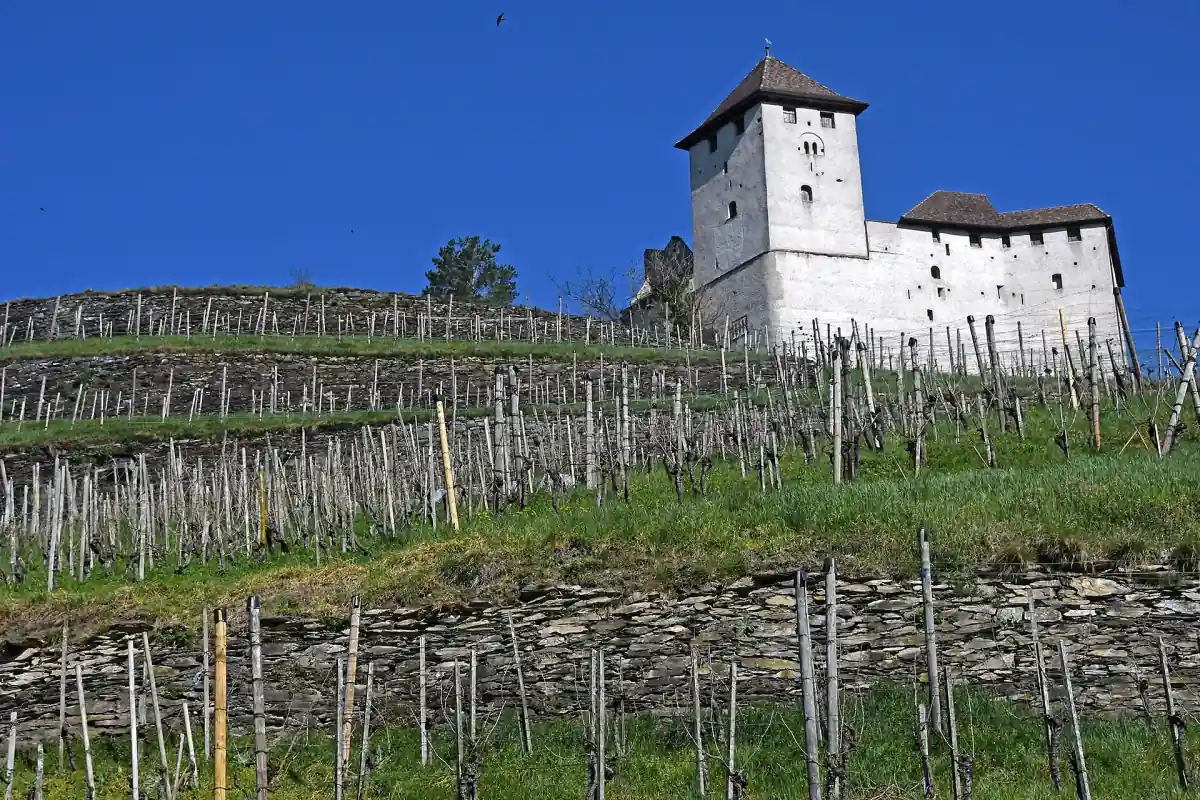
Our picks: Vaduz walks
The small-group walk offers local recommendations. For a private experience, choose the heritage walk or the cultural walk from Schlosswiese.
Hand-picked tours, booked through GetYourGuide and Viator. Prices are indicative starting prices in Swiss francs (as of October 2026). Tap a tour for live availability and the current price in your currency.
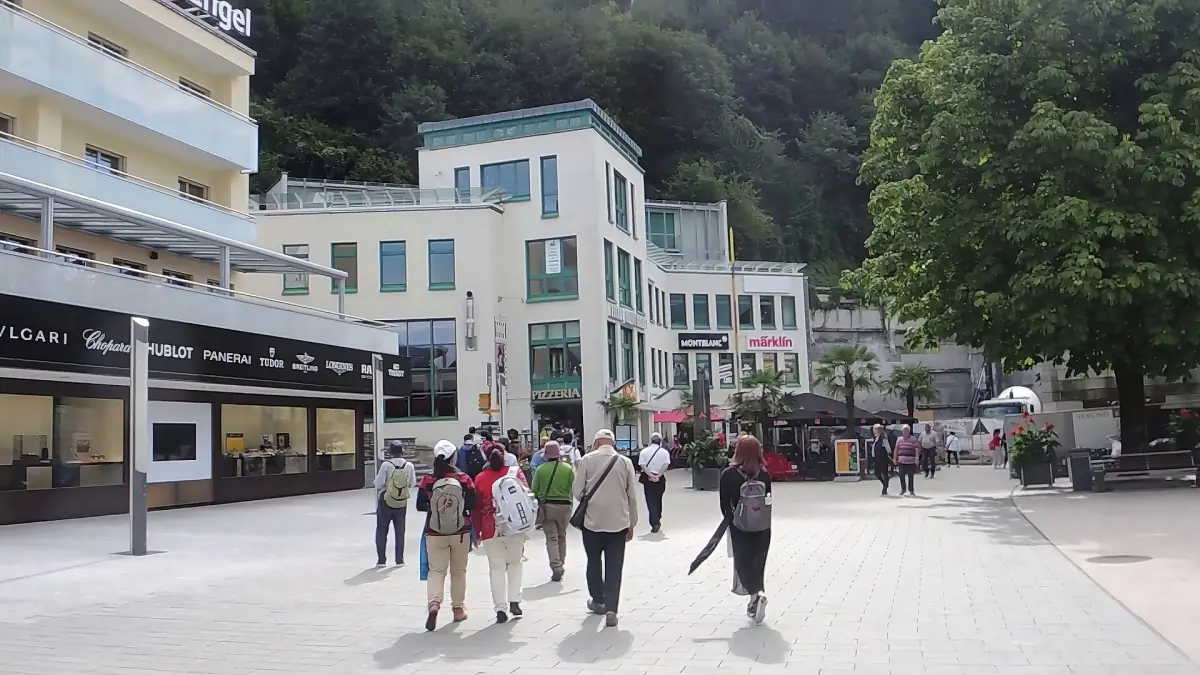
Private heritage walk in Vaduz
- Local Professional Guide
A private historical walk with a local professional guide.
Check availability →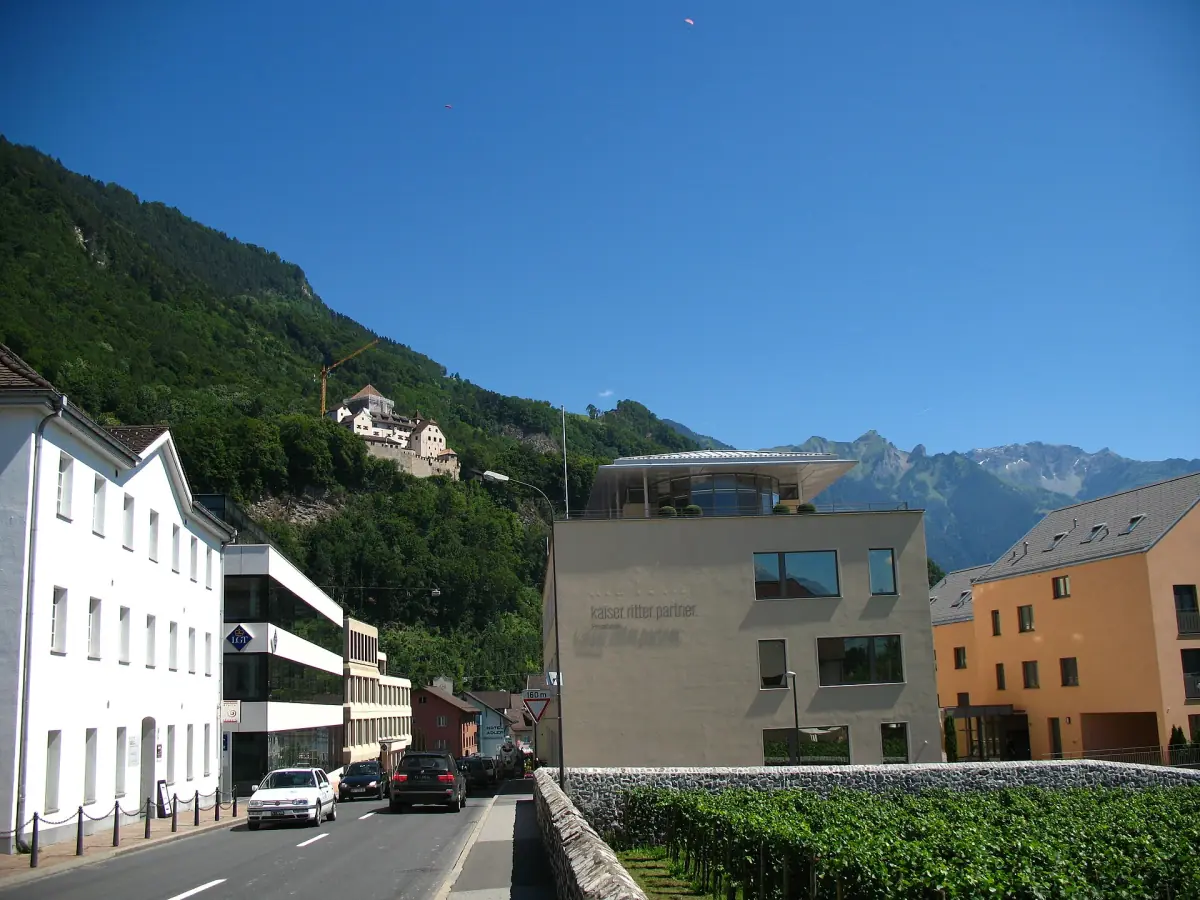
Private cultural walk from Schlosswiese
- Local Professional Guide
A private cultural walk with a local professional guide; the castle interior is not accessible.
Check availability →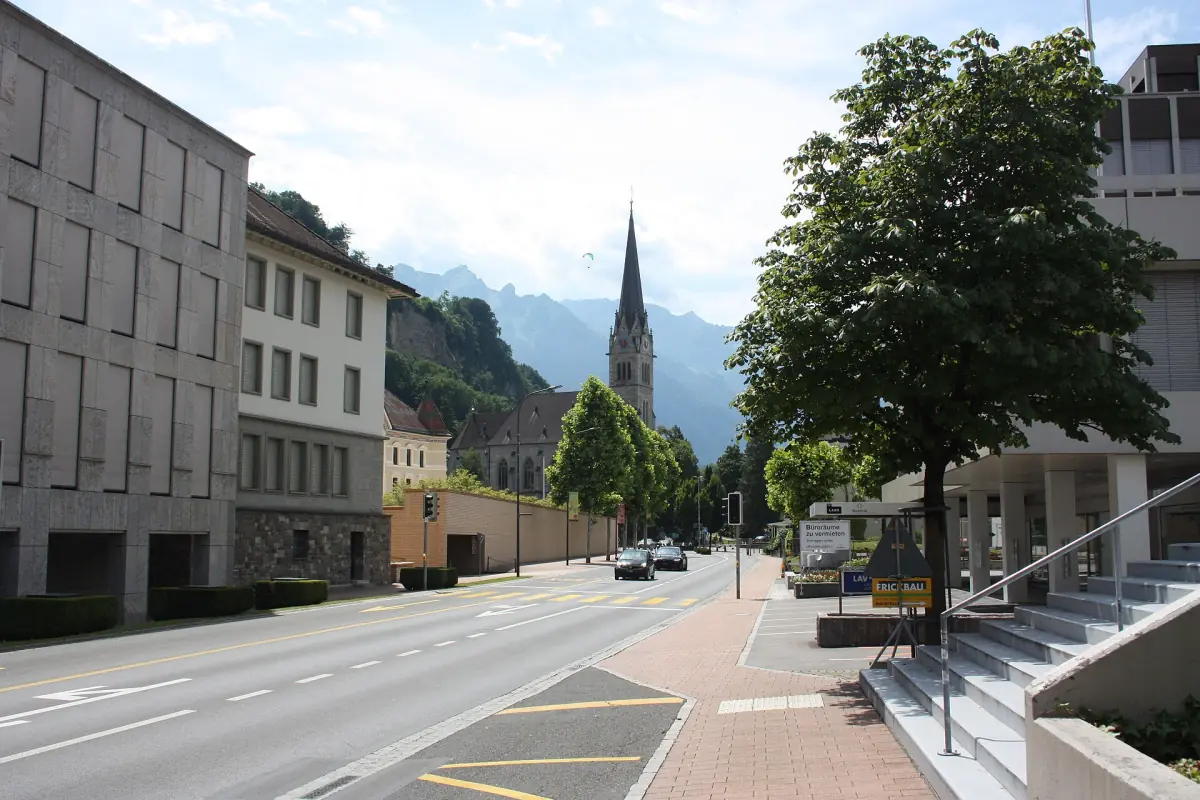
Vaduz walk with a local
- Knowledgeable Local
- Personalised Recommendations
A local leads this short small-group experience.
Check availability →Walk through Vaduz with historical context
Choose a one-hour local introduction or a private heritage walk, with different meeting points and time for guided explanation on foot.
Sovereignty, the army and the Swiss connection
Sovereignty dates to 1806. The military was abolished in 1868, another distinct milestone in the country’s development. When reading the town through these events, resist treating every building or view as belonging to the same period. A guided walk is useful for separating the formation of the state from the later arrangements that shape a visitor’s experience of it.
The customs treaty with Switzerland was signed in 1923, and the Swiss franc became legal currency in 1924. The treaty date and the currency date answer different questions. Today the currency is immediately relevant when budgeting for a museum or a tour, while the treaty helps explain why the relationship with the neighbouring country is an important part of the national story. It should not be confused with later participation in Schengen.
Liechtenstein walking tour: choose the start and length
The express walk begins at St. Florin Cathedral, St. Florinsgasse 17, and lasts one hour. A knowledgeable local, a small-group experience and personalised recommendations are included. This is a concise introduction for someone who wants guided orientation and then time to make independent choices in Vaduz. Museum and monument admission are separate, and the castle connection is an exterior view.
The private medieval heritage walk lasts two hours and meets at the entrance to the Liechtenstein Centre, Städtle 39. Its included service is a local professional guide. Choose this format when the historical theme of a longer local walk is your main interest. A private booking is a guiding arrangement, rather than a combined admission ticket for every attraction mentioned while walking.
The private romantic heritage walk starts at the entrance to the Schlosswiese on Fürst-Franz-Josef-Strasse and lasts 2.5 hours. It also includes a local professional guide. Its starting point differs from the town-centre meeting point, so allow for reaching the named place before the guided time begins. The heritage theme concerns Vaduz’s setting and history; it does not provide access to the residence or add a separate event programme.
Vaduz Castle and Gutenberg in Balzers
Vaduz Castle has belonged to the House of Liechtenstein since 1712 and has been the family’s permanent residence since 1939. From the Städtle, allow roughly 20 minutes uphill to reach the exterior view, about 120 metres above town. There is no public interior visit, parking or bus service directly at the castle. A film showing interior views at the Old Cinema is a screen experience, not entry into the building itself. See the castle guide for practical planning.
Gutenberg in Balzers offers a separate castle setting and belongs in a wider exploration of the country. Its outer bailey is freely accessible year-round, while the main complex has seasonal access. From 1 November to 30 April the complex is closed; from 1 May to 31 October it is available for registered events. During the season, the chapel and rose garden open on Sundays from 10 to 17. Treat this as a separate visit, not an extension included in a Vaduz walking tour.
Museums and the country’s European connections
For historical depth, the National Museum presents the country’s history and culture. Its regular admission is CHF 10, separate from a guided street walk. The Postal Museum introduces stamps and postal history with free admission. The Kunstmuseum, with the Hilti Art Foundation, shifts the focus to modern and contemporary art. Compare opening days and the different late-opening evenings in the museum guide before combining them with a tour.
Liechtenstein joined the United Nations in 1990, the European Economic Area and the World Trade Organization in 1995, and Schengen/Dublin in 2011. These memberships add an international dimension to a history that visitors often first encounter through the castle. The country is a constitutional hereditary monarchy on a democratic and parliamentary basis. For a visit, that is historical and civic context, rather than an invitation to royal rooms or a promise of meeting members of the princely family.
Questions about history and walking tours
Was Liechtenstein created in 1712 or 1719?
The county of Vaduz was purchased in 1712. Its union with Schellenberg and elevation to an imperial principality followed on 23 January 1719.
Are museum tickets included in these walks?
The walks described here provide local guiding. Plan museum visits and admission separately, using the museums page to choose a house and day.
Which walk is shorter?
The express local walk takes one hour. The private medieval heritage walk takes two hours, and the private romantic heritage walk takes 2.5 hours.
Can a guided walk take me inside the castle?
Vaduz Castle is a residence without public interior access. The tour comparison distinguishes local walks from day excursions that include an exterior castle stop.